.svg)
Activities for Integrating Teams and Work Areas

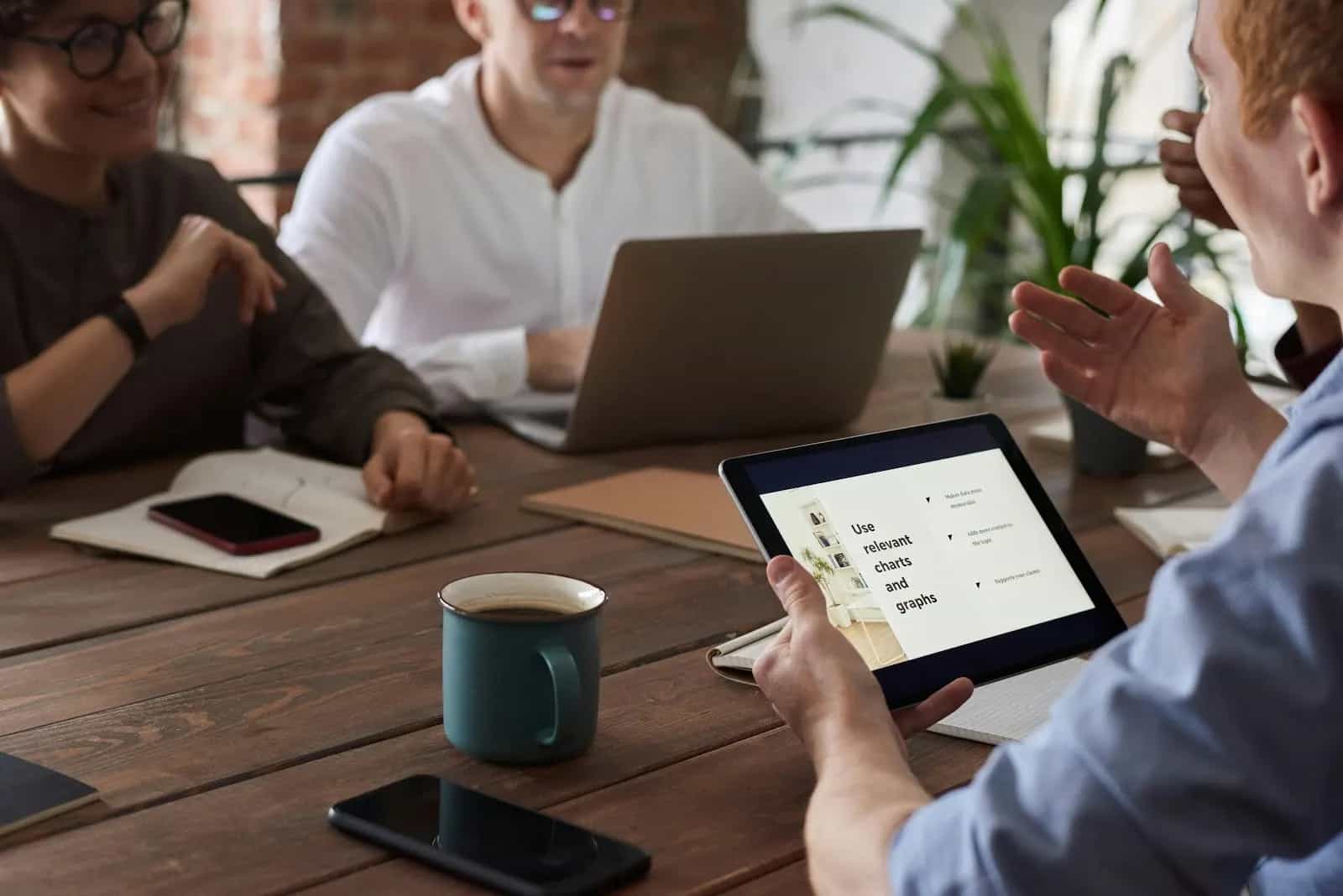
In modern organizations, integrating teams is what drives cross-departmental collaboration and it's not just desirable, it's essential. When different areas of a company are well-integrated, it fosters innovation, optimizes processes, and achieves stronger results. However, achieving this integration requires effort, planning, and a constant commitment to break down silos and promote a culture of teamwork.
What does it mean to integrate teams?
Integrating teams goes beyond creating communication channels between departments. It involves creating effective connections between different areas of the organization so they work in alignment and with a common purpose. This includes fostering clear communication, establishing goals shared and building trusting relationships among collaborators.
You might be interested in: What are high-performing teams and how to create them
Activities for integrating teams and work areas
In any organization, collaboration between work areas is key to achieving common goals. However, integrating teams with different functions, cultures, or ways of working can be a challenge. Here are some effective activities to foster connection, mutual understanding, and teamwork between areas.
Interdependence Icebreaker
Objective: To break the ice and help teams get to know each other on a personal level.How it works: Form mixed groups with members from different areas. Ask them to answer fun questions or share interesting facts about themselves. For example: What's your hidden talent? or What superpower would you choose?Benefit: Creates a relaxed atmosphere and builds personal connections among colleagues.
Role Swap
Objective: To foster empathy and understanding of the work performed by each department.How it works: Organize a day where participants "swap roles" with someone from another department. Include an observation session or simulation of key tasks from the swapped area.Benefit: Helps teams appreciate the challenges and contributions of other departments, strengthening mutual respect.
Organizational Connection Map
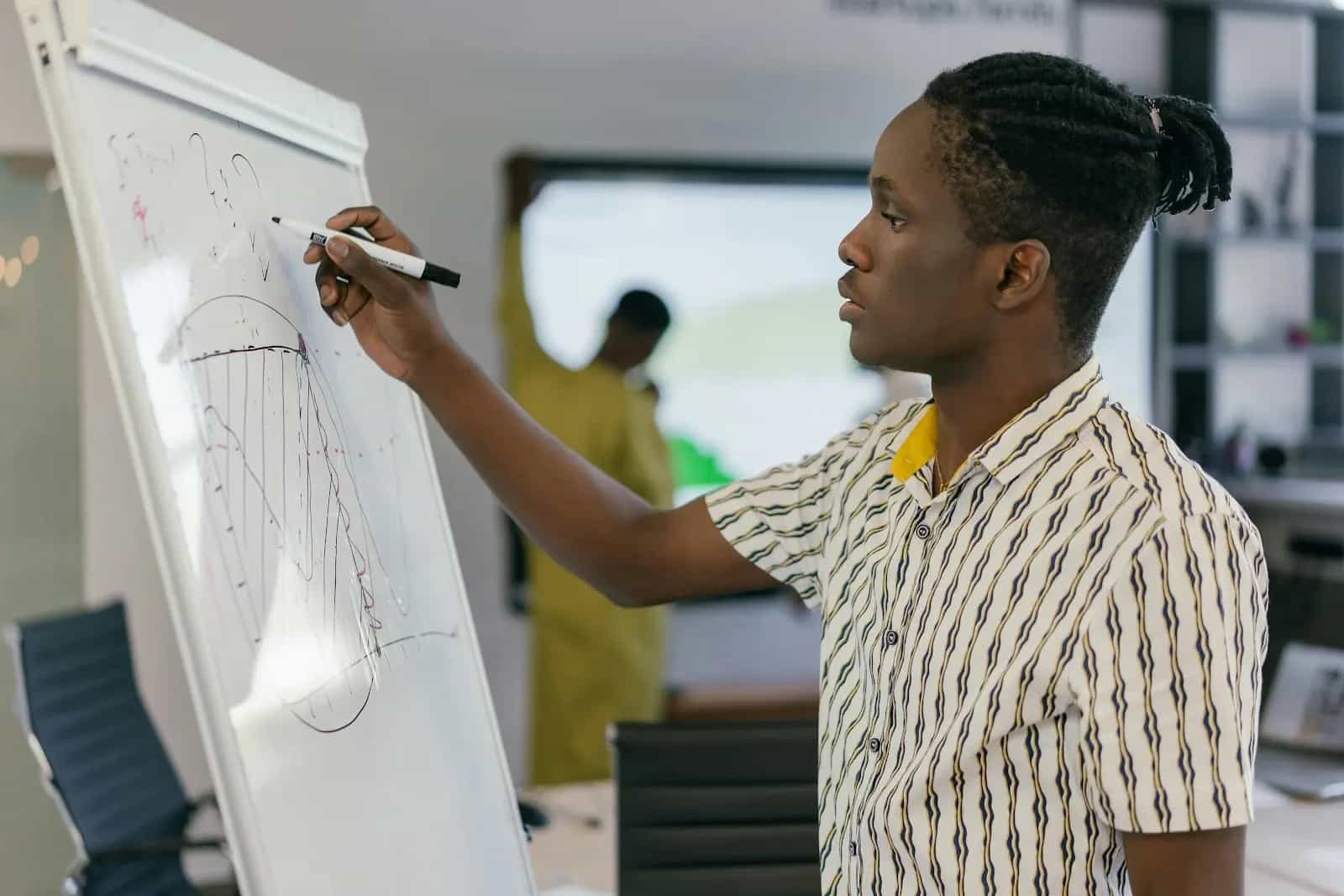
Objective: To visualize how teams and departments connect within the company.How it works: On a whiteboard or digital tool, represent each department as a node. Ask participants to draw connections between departments, indicating what they contribute to the overall workflow.Benefit: Reinforces understanding of each department's impact on common goals and promotes collaboration.
Collaborative Challenges
Objective: To promote teamwork in problem-solving.How it works: Propose a fun challenge (like building a bridge with recycled materials) or an organizational problem. Form mixed teams with members from different areas to solve it.Benefit: Facilitates mutual learning and strengthens collaborative dynamics in a playful environment.
Cross-functional Feedback
Objective: To improve communication and perception between departments.How it works: Organize a session where each department provides constructive feedback on how their work impacts others. Focus on highlighting strengths and opportunities for improvement, avoiding destructive criticism.Benefit: Opens communication channels and fosters interdepartmental learning.
Innovation Circles
Objective: To generate fresh ideas and foster joint creativity.How it works: Form groups with people from different areas and ask them to work together to devise innovative solutions to a common problem. Finally, the groups present their proposals to the rest of the team.Benefit: It fosters creativity, cooperation, and alignment towards common goals.
We recommend reading: Team-building activities for problem-solving
Achievement Celebration Event
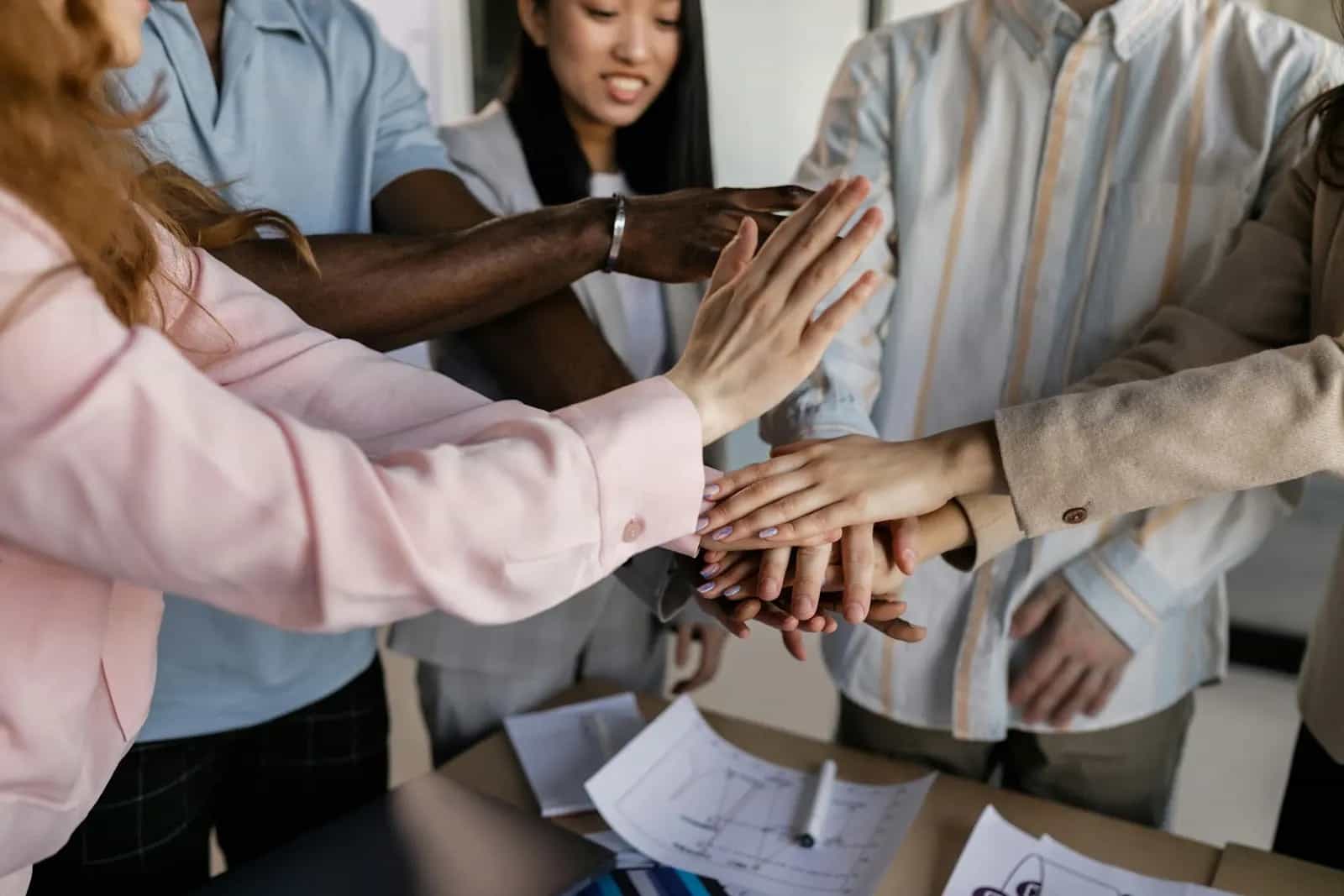
Objective: To recognize collaborative work and strengthen ties between departments.How it works: Organize an event where each department presents its greatest achievements and how these contributed to the organization's success. Include recreational activities to create a festive atmosphere.Benefit: It reinforces organizational pride and a sense of belonging among teams. Team integration activities are powerful tools for breaking down silos, building bridges between work areas, and strengthening the spirit of collaboration. Implementing them regularly not only improves the work environment but also boosts productivity and team commitment towards a common goal.
The role of leaders in team integration strategies
Effective team integration doesn't happen by chance. Leaders play a fundamental role in breaking down silos, aligning objectives, and creating an environment where collaboration is the norm. Their ability to inspire, guide, and connect people makes all the difference in the success of any integration strategy. Why are leaders key?
- Strategic vision: Leaders have a global perspective of the organization's objectives and can translate them into shared goals for the teams.
- Communication facilitators: They promote transparency and ensure information flows effectively between departments.
- Role models: Through their attitude and actions, leaders can demonstrate the importance of collaboration, inspiring others to follow their lead.
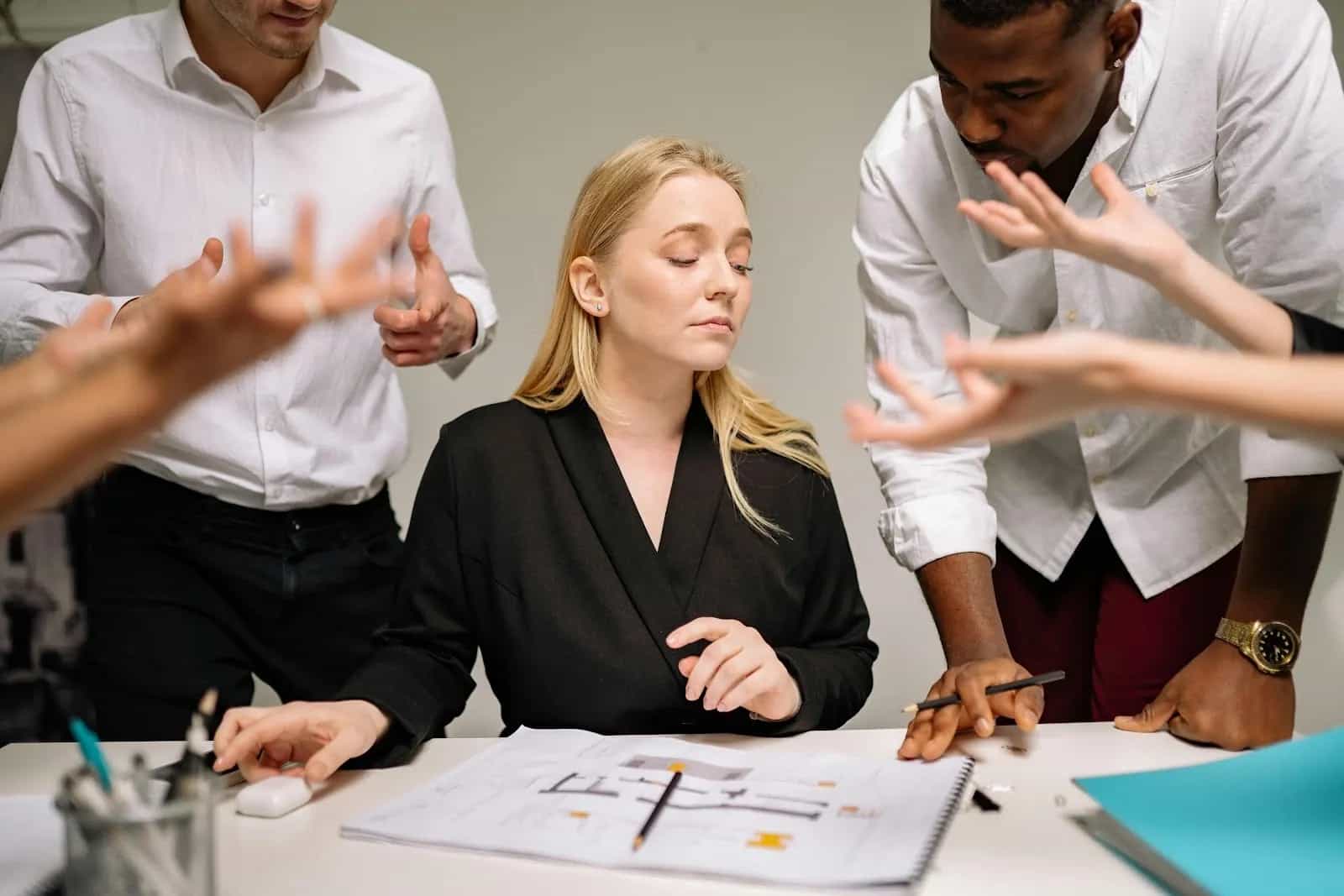
- Conflict Resolution: They act as mediators during times of tension, ensuring that differences do not hinder progress.
Leadership is the driving force behind team integration. A leader who promotes collaboration, inspires trust, and manages differences with empathy not only strengthens teams but also ensures the organization achieves its strategic objectives. Integration is not just a task; it's an opportunity for leaders to transform how people work and connect to achieve a common purpose.






_menos_300KB.jpg)
_menos_300KB.jpg)
.jpg)



































.jpeg)












.jpeg)













.jpeg)

















.svg)
.svg)
.svg)

