.svg)
Team Management: How to Be an Effective Leader for Your Team

The team management is not an easy task without clear guidelines. A well-managed team not only works more efficiently but also creates a positive work environment that fosters innovation and collaboration, allowing teams to adapt to business changes and accelerated growth. In this article, we will explore best practices for team management, offering practical advice and effective strategies to improve your team's performance and cohesion.
Importance of team management
Effective team management is vital because:
- Improves productivity: A well-organized team can complete tasks more quickly and efficiently, achieving sustainable results over time.
- Fosters collaboration: Well-managed teams work together more effectively, sharing ideas and supporting each other.
- Increases motivation: A good leader who knows how to effectively manage their teams can increase employee satisfaction and motivation, which translates into lower turnover rates and greater company loyalty.
Strategies for effective team management
Open and transparent communication
Communication is the foundation of any successful team. It's important to foster an environment where all team members feel comfortable sharing ideas and concerns. Feedback is a key element in promoting open and transparent communication. Providing high-quality feedback is essential for building trust and ensuring work is done to the best possible standard, although it also represents one of the most significant challenges managers face today.
Tips for improving communication:
- Regular meetings: Schedule meetings to discuss progress and challenges. Interacting and conversing with each other is fundamental for our growth, development, and improvement as professionals. Understanding the value of these conversations, better known as 1:1s, in our progress puts us in a privileged position on the path to success. Individual feedback and follow-up meetings should be held regularly. The goal is to track objectives, define an action plan aligned with the needs of the department and the organization, and provide feedback on each employee's performance.
- Clear communication channels: Use tools like Slack or Microsoft Teams to facilitate daily communication. Additionally, it's important to schedule feedback meetings in your calendar tool, ensuring these are dedicated spaces to foster open and transparent communication.
- Active listening: During conversations, pay attention and show empathy; it's crucial to understand your team's perspective, needs, and concerns.
Remember that meetings are a key investment for leadershipof teams, a fundamental tool for building trust and promoting employees' professional growth through transparent and open communication.
Clear definition of roles and responsibilities
Each team member must be clear about their role and what is expected of them. This avoids confusion and ensures everyone is working towards the same goals. Roles are the responsibilities and tasks that must be carried out to achieve a specific objective within a job position, and they consist of a series of important contributions.
How to define roles and responsibilities:
It is essential to start with an exercise of Area definition to identify the necessary roles within each, based on the objectives of each area. From there, with clear objectives and defined roles, it becomes easier to assign roles to individuals.
- Detailed job descriptions: Ensure that each team member has a clear and specific job description.
- Individual objectives: Establish individual objectives aligned with the overall goals of the team and the company.
- Regular reviews: Conduct regular performance reviews to adjust roles and responsibilities as needed.
Fostering teamwork
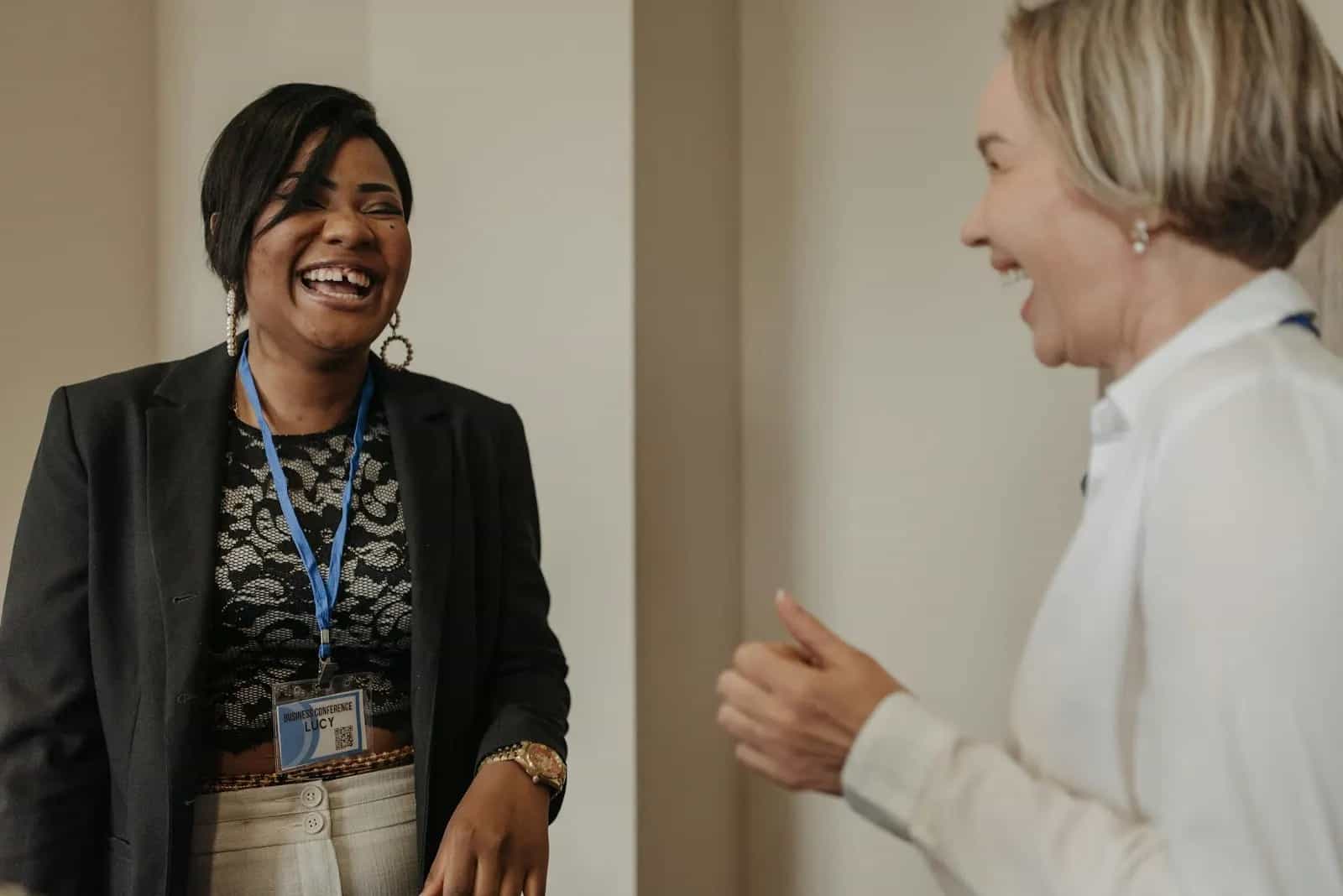
Teamwork is essential for success. Fostering a collaborative environment can help solve problems more efficiently and enhance team creativity. Two shared aspects are fundamental for building high-performing teams: effective communication and mutual trust, which are key elements for fostering cooperation and collaboration.
Strategies for fostering teamwork:
- Team-building activities: Organize off-site activities to strengthen relationships among team members.
- Collaborative projects: Assign projects that require cooperation from multiple team members.
- Recognition and rewards: Recognize and reward teamwork and effective collaboration.
To foster teamwork it is essential to create a trusting environment that motivates collaboration and the contribution of each team member. Trust is fundamental for developing collaboration. To achieve this, it is necessary to be transparent in decisions, recognize achievements, and create a space where all opinions are heard and valued. managers play a key role in this process: they must lead by example, demonstrating a willingness to collaborate and valuing their team's contributions.
Conflict management
Conflicts are inevitable in any team. The key is to manage these conflicts constructively so they don't negatively impact team dynamics. It's crucial to demystify the idea that conflict is inherently negative and, instead, explore how effective conflict management can make a difference in a team's dynamics. Conflict is unavoidable, but like a coin, it has two sides. Viewing it as a challenge presents an opportunity and a hidden test in this process.
How to manage conflicts:
- Early identification: Detect conflicts in their early stages to address them quickly.
- Mediation: Act as an impartial mediator to help resolve disputes.
- Constructive solutions: Seek solutions that benefit all parties involved.
We recommend reading: Conflict Management Strategies and Examples in Work Teams
The leader's role in team development
- Clarify expectations and direction, set clear priorities and goals for the team.
- Foster trusting conversations and guide individuals to ask the right questions to identify growth levers.
- Define commitments and an action plan to facilitate the necessary work and achieve agreed-upon changes.
[embed]https://youtu.be/yISI2z2iA1s[/embed]
Team Management Tools
Project Management Software
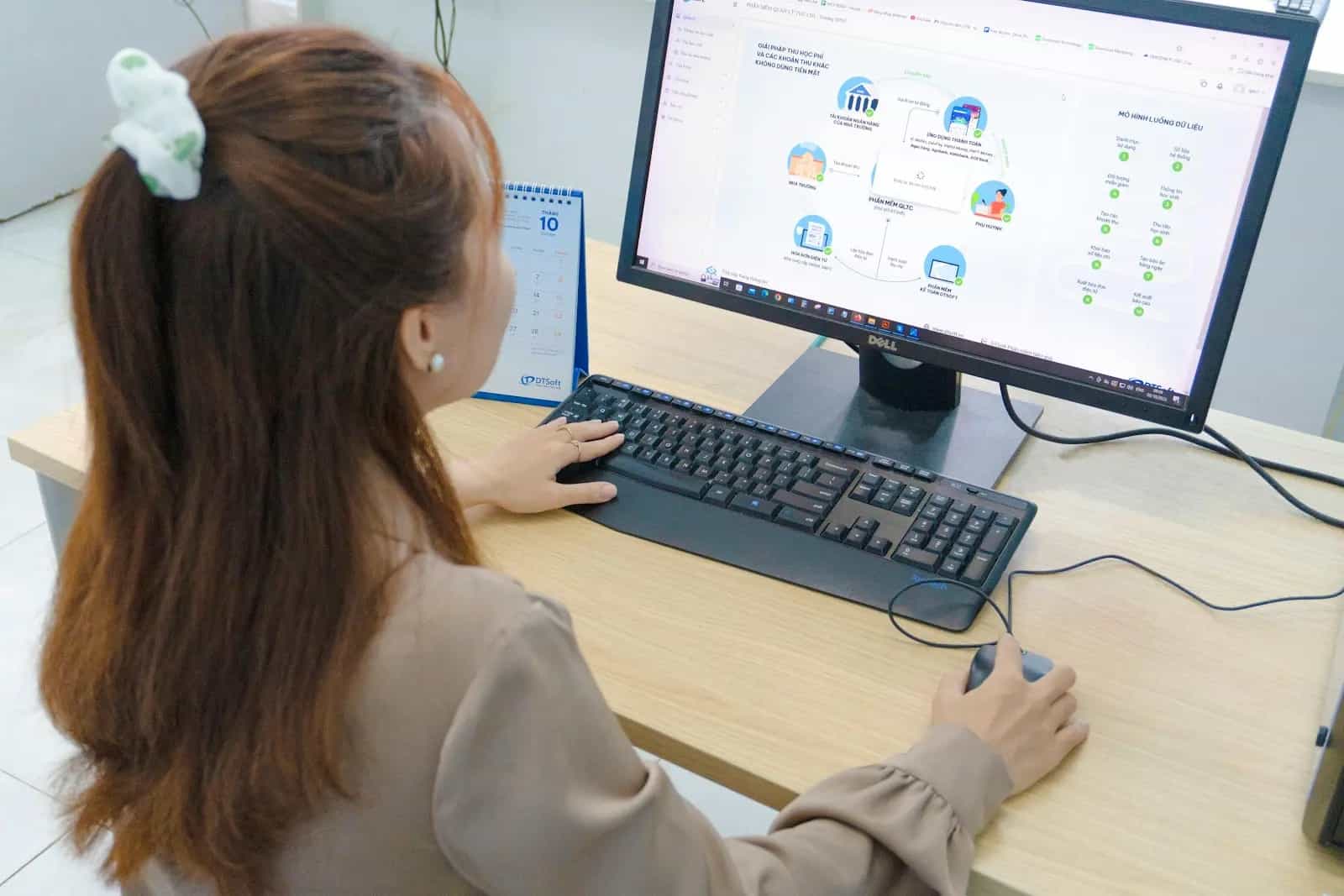
Project management tools like Asana, Trello, or Jira can help organize tasks and track team progress. These tools allow for assigning tasks, setting deadlines, and monitoring project advancement.
Communication Platforms
Using effective communication platforms is crucial for keeping the entire team on the same page. Tools like Slack, Microsoft Teams, or Zoom facilitate real-time communication and enable remote collaboration.
Human Resources Software
HR tools focused on talent development, such as Talent Booster, can help manage team performance, conduct performance reviews, and manage training needs.
Conclusion
The team management is an art that requires communication, clarity, and collaboration. Implementing effective strategies and using the right tools can transform a group of individuals into a cohesive and productive team. By focusing on these key aspects, any leader can significantly improve their team's dynamics and performance, enabling the company to achieve its objectives more efficiently and effectively. We hope these tips are useful and that you can apply them in your daily management to create a more harmonious and productive work environment. Good luck!





_menos_300KB.jpg)
_menos_300KB.jpg)
.jpg)





































.jpeg)














.jpeg)













.jpeg)
















.svg)
.svg)
.svg)

