.svg)
How to Organize Effective Work Meetings: A Practical Guide for HR

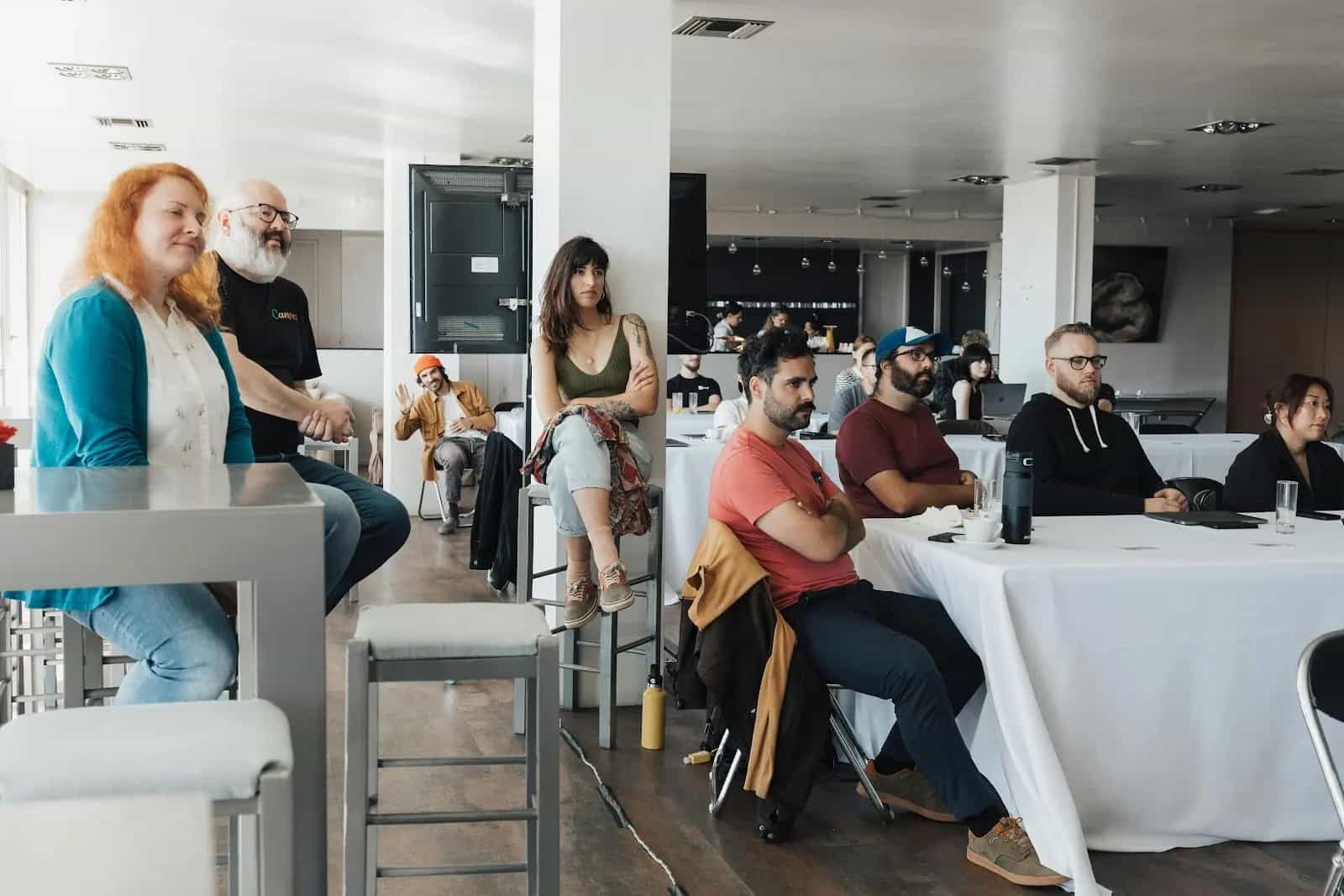
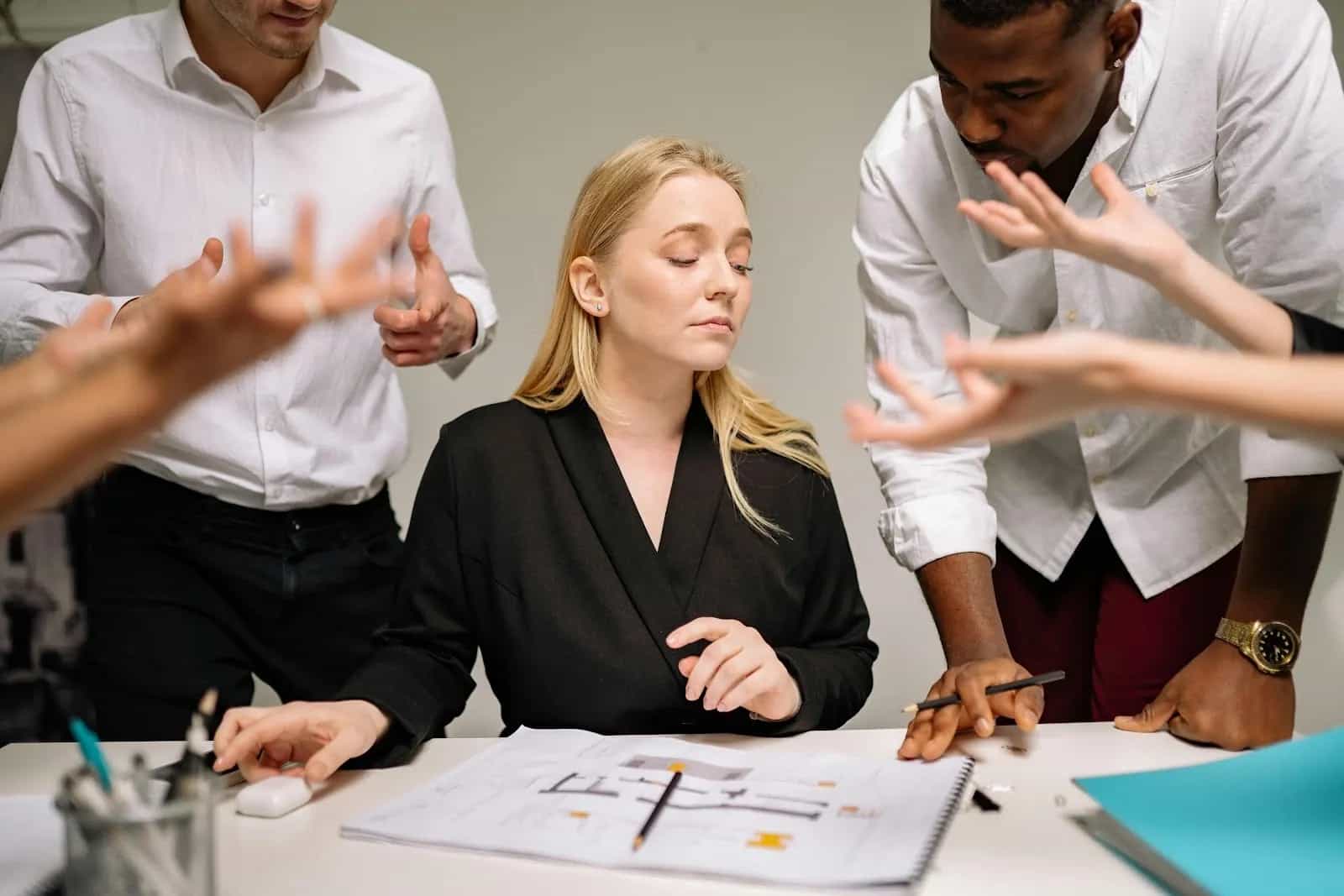
Meetings are an essential part of daily life in any organization. However, in many companies, they become a problem: unnecessary calls, lack of clear objectives, too many participants, or conversations that drag on without reaching conclusions. These types of dynamics not only reduce productivity but also demotivate teams. That's why learning to organize effective work meetings is key to optimizing time, improving internal communication, and ensuring that each meeting has a real impact on decision-making and project progress. For Human Resources professionals in Spain, transforming meeting culture is a lever for product, engagement, and retention. In this practical, step-by-step guide, I provide a useful framework, ready-to-use templates, and metrics so your teams can stop "having meetings" and start generating real results.
What are effective work meetings?
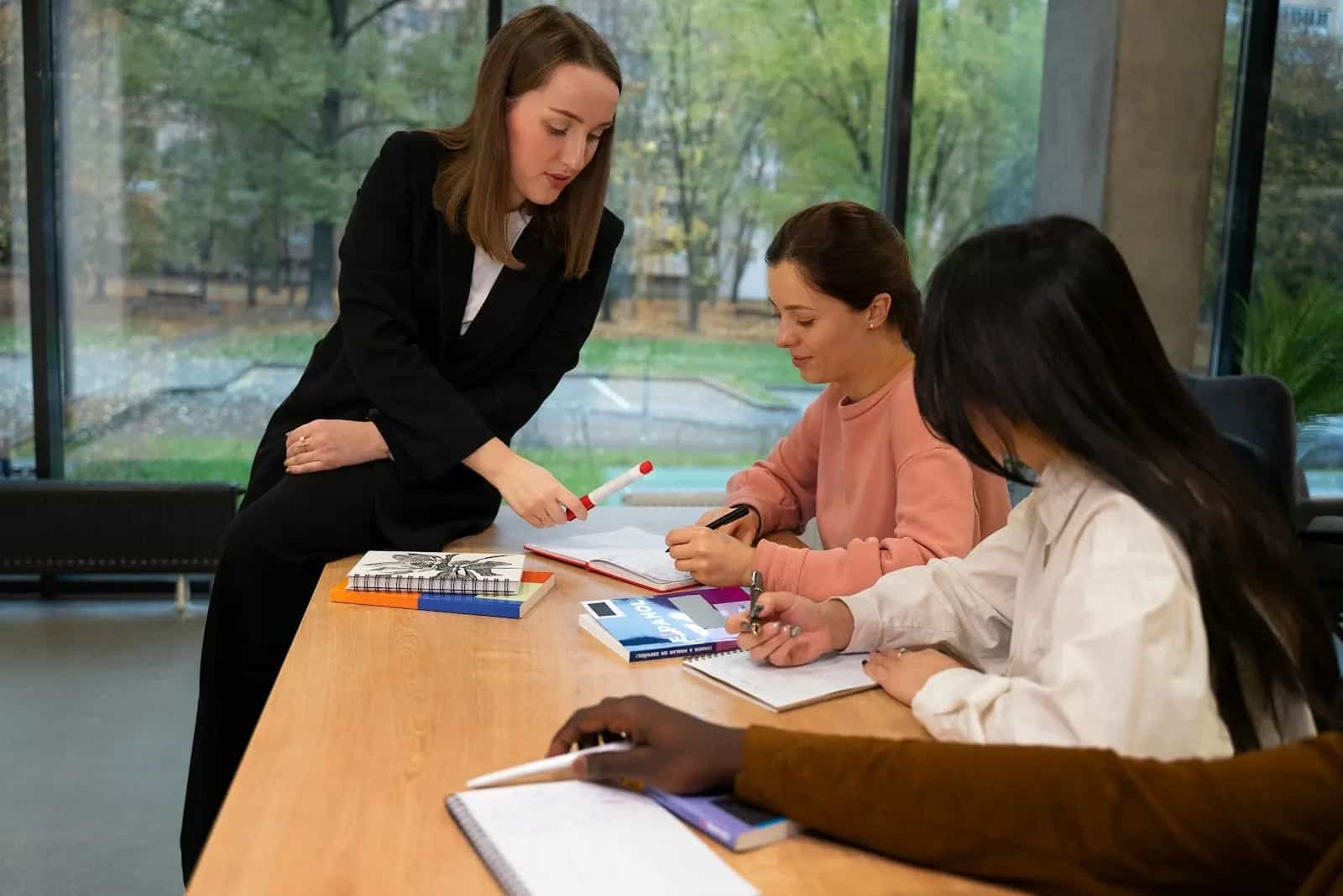
Effective work meetings are considered to be those that manage to fulfill a defined purpose within an established timeframe, with fair and necessary participation, and with concrete results that translate into subsequent actions. It's not about meeting out of routine, but about turning each encounter into a tool for alignment and progress. In practice, a meeting is effective when:
- There is a clear objective that all attendees know in advance.
- The conversation follows a structured agenda.
- Timings and each person's participation are respected.
- At the end, there are conclusions and assigned responsibilities.
Benefits of organizing effective meetings
Research and surveys show that poorly designed meetings are one of the biggest barriers to productivity. A global study of workers indicates that a large proportion of meetings are perceived as ineffective (Atlassian). Leaders also pay the price: there is evidence that executives spend tens of hours weekly in meetings, and a significant portion of that time adds no clear value. Furthermore, "meeting overload" has only grown in the hybrid era: more meetings, many with participants in different time zones, and a growing feeling of an endless workday among employees. In Spain, various surveys and media have reported the perception that many meetings remain useless or poorly planned — a challenge that HR can address through meeting policies and management training. When a company establishes a solid meeting management model, the benefits are tangible:
- Time optimization: unproductive hours spent in unnecessary meetings are reduced.
- More agile decisions: better prepared, meetings allow for progress without roadblocks.
- Greater clarity: teams receive precise information and understand what is expected of them.
- Better internal communication: prevents message duplication and enhances coordination.
- Productivity boost: each meeting becomes a tool that adds value to the business, rather than draining resources.
How to organize effective work meetings step by step
The process for truly effective work meetings can be divided into three phases: before, during, and after.
- Before the meeting
Before scheduling: is the meeting worthwhile?Before opening your calendar, ask yourself these 3 questions:
- What specific outcome am I looking for? (decision made, plan with assigned responsibilities, alignment).
- Can this be achieved via email or a shared document?
- Who truly needs to be present to achieve this outcome?
If the answer to the 2nd question is yes → don't call a meeting. If the 3rd question reveals that only 2–3 people are essential, consider a smaller or asynchronous meeting.Quick criteria for calling a meeting (check)
- Clear purpose (1 line).
- Expected outcome (what will be decided or delivered).
- List of essential participants.
- Realistic estimated time (15 / 30 / 60 min).
- Material prepared and shared beforehand (5–10 min read).
The preparation is crucial. A well-designed meeting is more than halfway to success. Some important aspects include:
- Define the objective: each meeting should address a specific question or need, such as making a decision, reviewing a project, or solving a problem.
- Establish an agenda: structure the topics to be discussed and allocate an approximate time for each.
- Select participants: only those who contribute or receive relevant information should be present.
- Share advance information: send the agenda and necessary documents in advance so that everyone arrives prepared.
HR Tip: No agenda, no meeting. Create and share an agenda template to use for meeting invitations. Include the objective, duration, discussion points, and expected outcome. Require that 100% of leadership meetings include an agenda and a minute-taker.
- During the meeting
Clear roles: who does what in the meeting
- Facilitator / host: guides the agenda and makes decisions regarding time.
- Responsible for minutes: records decisions, agreements, and actions.
- Timekeeper (timer): monitors time and suggests interventions.
- Active participants: arrive prepared and take turns.
During this phase, it must be ensured that the meeting remains focused and dynamic. To do this, it is important:
- Start on time and adhere to the scheduled duration.
- Stick to the agenda: avoid deviations that waste time and concentration.
- Encourage balanced participation: all attendees should have space to contribute.
- Manage time: if secondary topics arise, they can be deferred to another meeting instead of diverting focus.
- Use visual aids or digital tools that help understand and retain information.
Techniques to maintain focus
- 60-second kickoff: state the objective aloud.
- Timeboxing strict: if a point runs over, it's moved to the parking lot.
- Round of contributions (max 30s): avoid monopolizing the conversation.
- Decision-making clear: option A/B/C and quick consensus vote/decision.
- Actions at close: each action with a clear owner and deadline.
- After the meeting
A meeting is only effective if what was discussed translates into concrete actions. After the meeting, it's advisable to:
- Send a brief summary with the agreements reached, assigned owners, and execution deadlines.
- Follow up on tasks in the next meeting or through collaborative tools.
- Evaluate the meeting's effectiveness to implement improvements in future meetings.
Recommendations for effective work meetings
In addition to this basic framework, there are a number of recommendations that help achieve effective work meetings, improving the dynamic of these gatherings and avoiding “meeting overload”:"
- Only schedule essential meetings: not all communication requires a meeting; many issues can be resolved via email or an internal channel.
- Set a realistic time limit: short, well-structured meetings are typically more productive than long ones.
- Implement agile methodologies: brief follow-up meetings (such as daily stand-ups) help maintain focus and work pace.
- Appoint a moderator or facilitator: someone to guide the meeting, manage time, and ensure objectives are met.
- Make agreements visible: use digital whiteboards, shared meeting minutes, or collaborative tools to clearly document commitments.
- Periodically evaluate meeting effectiveness: asking attendees if they found the time spent useful helps improve the format.
- Fosters a culture of time respect: both starting on time and finishing within the scheduled timeframe reinforce a sense of professionalism.
Metrics for measuring effective work meetings
For HR, it's crucial to translate meeting improvements into metrics that the business understands:
- % of meetings with agenda in the invitation. (target 90–100%).
- % of actions completed on time. (weekly tracking).
- Satisfaction post-meeting: 1–3 question survey (useful/not useful; clear decisions; time well spent).
- Hours average monthly per employee in meetings. (reduce if target exceeded). Studies show that people spend dozens of hours a month in meetings; measuring it is the first step to controlling it.
- Cost estimated meeting cost: average hourly cost × participants × duration — useful for prioritizing changes.
Measure and communicate improvements quarterly: HR should integrate these metrics into productivity and employee experience dashboards.
Conclusion
Organizing effective meetings is not just about method, but also about having accurate and up-to-date information. In this regard, having tools that facilitate effective work meetings and are aligned with objectives makes all the difference. If you want meeting improvement to be more than a temporary fix, integrate performance management and talent development with business indicators.Talent Booster is software designed for this purpose: it directly connects talent development with key business indicators and objectives, which is uncommon in traditional HR software (1:1 management, competency tracking, objectives, and development agreements). This allows for improved practices—such as more effective meetings—to translate into real business and leadership metrics. If you wish, I can help you design an implementation plan that combines your meeting policy with the adoption of Talent Booster to measure impact.



_menos_300KB.jpg)
_menos_300KB.jpg)
.jpg)






























.jpeg)












.jpeg)












.jpeg)














.svg)
.svg)
.svg)

